
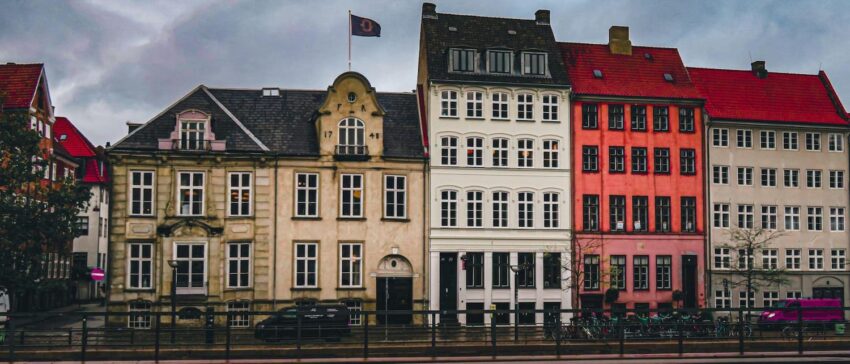
Historic buildings function as physical memory for cities. They encode information about what mattered to past generations. What economic activities drove development? What cultural values shaped public spaces? How power structures manifested in built form. Reading this architectural record reveals city identity more accurately than official histories often do.
The buildings that survive tell specific stories. Not random stories. Stories filtered through what seemed worth preserving across generations. The preservation process itself reflects the city’s identity. Which structures communities fought to save reveal what they value about their past, how they want to be understood. Some cities preserve industrial heritage. Others focus on religious architecture.
Why Physical Spaces Encode Cultural Information More Permanently
Buildings encode cultural information in forms that persist across generations. Even when the original meanings fade from memory. The physical fact of structures continues to communicate long after people forget why they were built that way.
To see how this works elsewhere, look at online casino platforms. They face similar identity expression challenges. They try to convey brand character and cultural positioning through digital architecture. The visual design, spatial organization, navigation structures, and aesthetic choices all communicate information. About what the platform values. Who it is designed for.
European-market casinos often feature bright color schemes showcasing their generous bonuses, such as the Vox Casino bonus color scheme. These visual elements communicate cultural alignment with target audiences.
Physical city architecture works identically, but digital spaces often lack this consistency. The grand train station conveys information about the railroad era’s economic significance and civic aspirations. Even if modern residents barely use trains. The workers’ housing developments reveal industrial employment patterns that persist long after factories close.
The placement of religious buildings in relation to commercial districts reveals how secular and sacred spaces have historically been intertwined, even as those relationships have undergone fundamental changes.
Reading architectural patterns reveals city identity information that oral histories miss. Written records do not capture it either. The built environment encodes economic relationships, power structures, and cultural priorities. These were not explicitly documented. But they shaped physical development patterns.
How Architectural Styles Reveal Cultural Moments

Architectural styles that dominated during specific periods reflect broader cultural movements. Values that shaped cities during those eras. The styles are not just aesthetic preferences. They represent what people believed about progress, tradition, social organization, and their city’s place in the world.
Cities with substantial Art Deco architecture were prospering during the 1920s and 30s. They were embracing modernity optimistically. The style represented faith in technological progress. Industrial aesthetics. Streamlined efficiency. Cities that adopted this extensively were signaling participation in modernist cultural movements. Economic confidence despite Depression-era challenges.
Brutalist architecture from the 1960s and 1970s reflects entirely different values. The raw concrete. Geometric forms. Monumental scale. These expressed faith in the government’s capacity. Urban renewal ambitions. Architectural honesty that rejected decorative historicism. Cities with significant brutalist civic buildings were embracing modernist planning principles. Governmental authority during that period.
Victorian architecture reflects yet different cultural values. The ornate decoration. Historicist references. Hierarchical spatial organization. These expressed confidence in the empire. Economic growth. Social stratification.
The specific Victorian styles cities adopted reveal which cultural associations seemed most appealing. Gothic Revival versus Second Empire versus Queen Anne. Local elites made these architectural decisions based on what fit their vision.
Understanding these stylistic patterns helps decode what cities valued during different periods. How those values shaped physical form. The architecture does not just reflect aesthetic preferences. It materializes cultural beliefs about progress, tradition, social organization, and civic identity.
The Economic Activities Written Into Street Patterns
Street patterns and building arrangements encode information about economic activities. The activities that drove city development. Reading these patterns reveals how cities actually functioned economically. Versus romanticized narratives about their history.
Port cities develop specific spatial patterns around waterfront access. Warehouses cluster near the docks. Working-class housing develops within walking distance of port employment. Commercial districts oriented toward maritime trade develop differently from those serving land-based commerce.
These patterns persist even after port activities decline. They leave architectural evidence of economic relationships that shaped development.
Industrial cities show different patterns. Factory locations are typically determined by rail access, water power, or the availability of raw materials. Workers’ housing is often clustered near industrial employment areas. Within walking distance since car ownership was limited. Middle-class residential areas are located upwind from industrial pollution. The spatial relationships reveal economic and environmental realities. Where different classes lived and worked.