
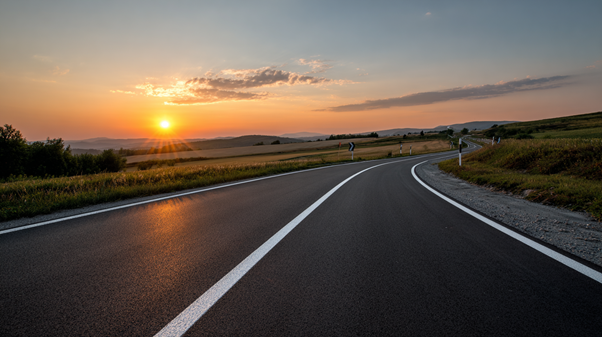
Seasonal travel reshapes historic places by changing what visitors see, hear, and feel on site. The same castle, old town, cathedral, or battlefield can seem intimate in winter, ceremonial in spring, crowded in summer, and reflective in autumn. For heritage tourism, the season becomes part of the interpretation.
How seasons influence cultural perception
Historic sites are experienced through atmosphere as much as through facts. Weather affects walking speed, light reveals or hides architectural detail, and local activity changes the rhythm of streets. A quiet morning in a medieval quarter can explain scale and craftsmanship better than a busy afternoon tour.
Seasonal travel and planning context
Modern travelers often research practical rules, local habits, and online services before departure. Some may compare entertainment-related information such as sports betting uden om rofus, yet cultural trips require a different priority: timing, respectful behavior, and awareness of how fragile heritage sites respond to visitor pressure.
Choosing the right month can improve comfort and understanding. A ruin exposed to heat may be difficult in July, while the same route can become rewarding in October. Museums, restored interiors, and archival exhibitions often gain value when rain or short daylight limits outdoor exploration.
How seasonal conditions shape historic visits
Historic places change noticeably with the season. Roman amphitheaters and ruins are more comfortable in spring or autumn, while old towns feel quieter and more detailed in winter. Gardens reveal their design best in spring, and coastal fortresses often seem stronger during windy weather.
Low-season silence gives monasteries and battlefield routes a more reflective mood. Summer brings historic market squares to life through festivals and public events. Rainy days or short winter afternoons make museums and cathedral interiors more valuable, especially when light, objects, and architecture can be studied slowly.
What changes from season to season
Spring often makes historic places feel connected to growth. Gardens, courtyards, riversides, and palace parks become easier to read because planting schemes and old land-use patterns return to view. This season suits travelers who want moderate temperatures and detailed walking tours.
Summer brings access and activity. Longer days allow extended routes, evening visits, and open-air performances. However, large groups may reduce concentration at narrow streets, small chapels, and protected ruins. Early reservations and morning entry times help preserve the quality of the visit.
Autumn offers visual depth. Softer light, cooler air, and fewer queues make historic districts more comfortable for study. Stone walls, wooden facades, and old university buildings often appear richer in this season, especially when local life returns after peak travel months.
Winter sharpens atmosphere. Empty squares, bare trees, snow, fog, or rain can make a memorial, fortress, or monastery feel more direct. Short days also push visitors toward curated spaces where documents, objects, and expert commentary add historical context.
How to choose the best season for a historic trip
The best season depends on the type of historic place and the experience a traveler wants. Archaeological zones, old fortifications, and large palace grounds usually reward mild weather because visitors need time, movement, and clear visibility. Compact museum districts can work well in colder months, especially when indoor collections provide detailed context.
Travelers should also consider crowd levels, local events, and conservation limits. A summer festival may make a historic square feel alive, while a quiet winter morning can make the same space easier to study. Matching the season with the site’s strongest feature creates a more focused and memorable visit.
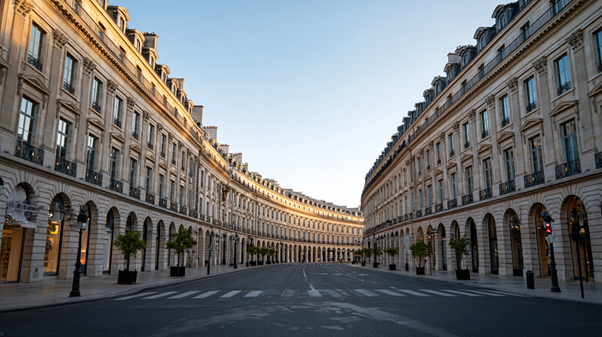
Practical tips for visiting historic places by season
Good seasonal planning starts with simple checks. Visitors should review opening hours, ticket rules, daylight length, and weather conditions before choosing a route. Comfortable shoes, a flexible schedule, and booking ahead can turn a hurried trip into a richer and more memorable cultural visit.
It is also important to respect the site itself. Fragile ruins, old interiors, gardens, and memorial spaces may need extra care during rain, heat, frost, or peak crowds. Responsible travel helps preserve historic places while giving visitors a clearer and more respectful connection with the past.
Final perspective
Seasonal travel changes historic places because it alters access, mood, movement, and meaning. No single period gives the complete story. The strongest heritage experience comes from matching the site with the season that best reveals its architecture, memory, landscape, and living culture.