
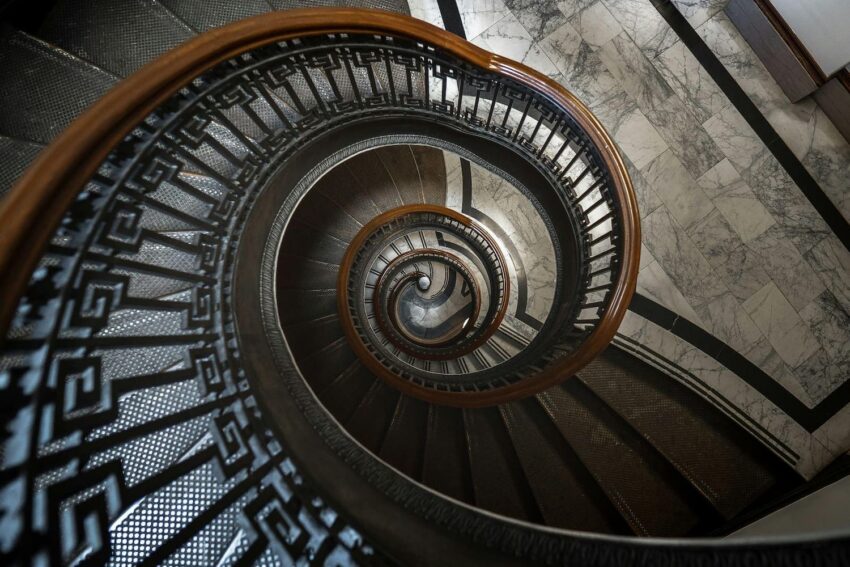
Buildings carry conversations across centuries. Every column placement, every carved detail, every spatial decision in historic architecture was deliberate communication. These weren’t aesthetic choices made after the real work finished. They were the work itself.
When Stone Replaced Text as Primary Communication
Here’s the context that matters. Most people throughout history couldn’t read. Literacy was specialised knowledge, confined to religious and political elites. But everyone could read buildings. Architecture became the dominant medium for transmitting complex ideas about power, divine order, social hierarchy, and humanity’s place in the cosmos.
Gothic cathedrals demonstrate this most clearly.
Those vertical lines stretching impossibly upward were not just solving engineering problems. They’re creating physical sensations of reaching toward something beyond human scale. The ribbed vaults, the pointed arches, the way light filters through stained glass; the entire spatial experience was engineered to make humans feel appropriately small while directing attention beyond material existence.
This wasn’t a happy accident. It was intentional communication through built form. When illiterate populations entered these spaces, they understood their relationship to divine authority. The architecture taught theology more effectively than any sermon could.
Political Power Made Permanent
Rulers grasped something fundamental about materials. Proclamations fade, documents burn, political alliances shift, but stone persists. Historic architecture often functioned as permanent political messaging, broadcasting authority long after the original builders died and their dynasties collapsed.
Roman triumphal arches weren’t celebrating victories. They were declaring permanent Roman superiority, documenting subjugation, reminding occupied populations exactly who controlled their world. Every relief sculpture, every inscription, every proportional relationship reinforced imperial ideology. These structures were propaganda that happened to be load-bearing.
Palace architecture globally follows this logic. Versailles wasn’t excessively decorated. Those endless mirrored galleries, those geometrically controlled gardens, that rigid order imposed on natural landscape; all of it communicated absolute monarchical authority. Visitors understood their position in the power structure before courtiers said anything.
Sacred Mathematics and Cosmic Connection
Ancient architects obsessed over numerical relationships in ways that seem irrational until you understand their worldview. They believed physical structures could mirror cosmic order, creating tangible connections between earthly and divine realms.
Egyptian pyramids align precisely with cardinal directions and celestial movements. Not approximately. Precisely. The builders invested massive resources in achieving this exactitude because they believed physical orientation connected earthly authority to cosmic forces. The geometry wasn’t symbolic. It was functional in their framework.
Buddhist stupas, Hindu temples, and Islamic mosques; they all encode sacred mathematics that practitioners believed connected physical space to spiritual dimensions. The mandala patterns, the specific proportional systems, the directional orientations; these followed exact rules because violating them meant severing the connection between realms.
Modern architects often dismiss this as superstition, but that perspective misses what mattered. These builders operated in systems where mathematical relationships held genuine spiritual significance. The symbolism was the structural function.
Making Social Hierarchy Physically Inescapable
Architecture doesn’t just reflect social structure. It enforces it through physical form. Historic buildings created tangible manifestations of who mattered and who didn’t, making abstract hierarchies concrete and unavoidable.
Medieval castles demonstrate this brutally. The positioning of chambers, the access patterns to spaces, the material quality differences; everything communicated rank instantly. The lord’s great hall dominated both visually and spatially. Servants’ quarters got squeezed into structural margins. Defensive walls separated nobility from the common population physically and psychologically.
Religious architecture performed this equally. In many historic churches, seating arrangements reflected social status directly. Wealthy patrons sat near the altar, and poor congregants stood in the rear spaces. Physical proximity to sacred areas correlated precisely with social position. The architecture didn’t just accommodate worship. It performed and reinforced the class structure every single service.
Why Ornamental Details Carried Serious Weight
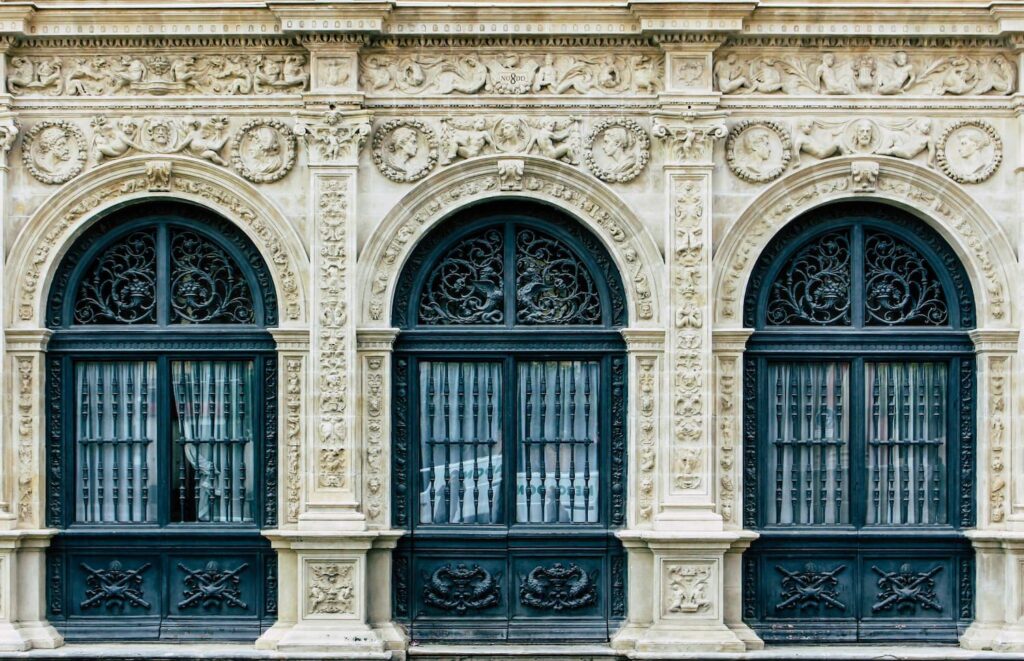
Those intricate carvings covering historic buildings weren’t decorative excess. They were comprehensive educational programs in stone, teaching narratives and values to populations lacking access to written texts.
Cathedral facades functioned as visual encyclopedias. Biblical sequences carved in narrative order taught religious stories. Gargoyles and grotesque figures warned against moral transgressions through monstrous imagery. Saints’ statues provided behavioural models. Every ornamental element served didactic purposes for audiences who couldn’t read scripture.
These buildings encoded complex messages about authority, divinity, social organisation, and cosmic structure in forms designed to outlast their creators by centuries. The symbols weren’t decorating the architecture. They were the architecture’s fundamental purpose.