
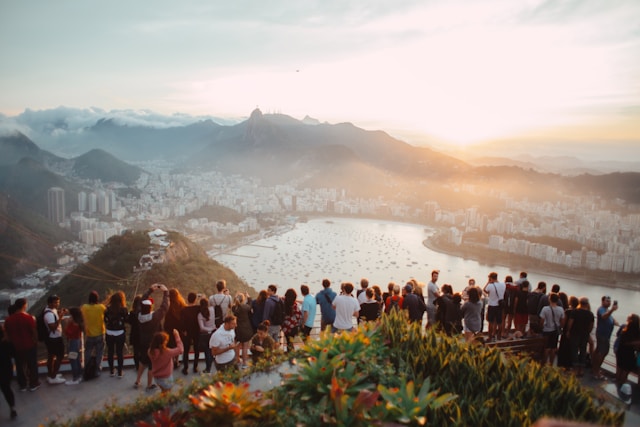
Visiting a new city is one of the most accessible ways to experience different cultures, histories, and lifestyles. Whether the trip lasts a weekend or several weeks, unfamiliar surroundings invite exploration and curiosity. Every destination offers its own character, shaped by architecture, local customs, food, and the rhythm of daily life. For many travelers, the challenge lies not in finding things to do, but in deciding where to focus limited time and attention.
Modern travel often blends structured planning with spontaneous discovery. While guidebooks and digital maps provide endless recommendations, a simple framework can help visitors experience a city more meaningfully. Focusing on a few core activities allows travelers to understand both the historical roots and contemporary culture of a place without feeling rushed.
From exploring historic districts to discovering modern entertainment options, the following five activities reflect how many travelers engage with new cities today. Together, they balance cultural immersion, social experiences, observation, and personal downtime, helping visitors create a well-rounded and memorable trip.
Explore the Local History and Landmarks
One of the most effective ways to understand a new city is by exploring its historical foundations. Landmarks, preserved neighborhoods, and cultural institutions offer insight into how the city developed and what shaped its identity over time. Walking through older districts often reveals architectural styles, street layouts, and public spaces that reflect different historical periods.
Museums and monuments provide additional context, highlighting significant events, influential figures, and social changes. Many cities curate their history through interactive exhibits, guided tours, or informational plaques that make learning accessible even for short-term visitors. These experiences help transform unfamiliar streets into meaningful places with stories behind them.
Historic neighborhoods often remain active parts of the modern city, blending past and present. Cafés, galleries, and local businesses frequently operate within restored buildings, allowing visitors to experience history as a living environment rather than a static display. Taking time to explore these areas encourages a deeper appreciation for the city beyond surface-level attractions.
Understanding local history also enhances other aspects of travel. Knowledge of a city’s past can provide context for its cuisine, festivals, and social norms, making the overall experience more coherent and engaging.
Try Local Food and Nightlife
Food and nightlife play a central role in how cities express their culture. Local cuisine reflects regional ingredients, traditions, and influences that have developed over generations. Visiting neighborhood restaurants, markets, and cafés allows travelers to experience everyday life while discovering flavors that may not exist elsewhere.
Sampling local dishes often goes beyond fine dining. Street food, casual eateries, and family-run establishments frequently offer some of the most authentic experiences. These settings also provide opportunities to observe local routines, from morning coffee rituals to late-night dining habits.
Nightlife adds another dimension to city exploration. Bars, live music venues, and social spaces reveal how residents relax and connect after dark. Some cities are known for vibrant club scenes, while others emphasize live performances, cultural events, or quiet wine bars. Observing how locals spend their evenings offers insight into the city’s social character.
Engaging with food and nightlife does not require extensive planning. Simple choices, such as dining where locals gather or attending a small live event, can leave a lasting impression and help visitors feel more connected to their surroundings.
Take Time to Walk and Observe City Life
Walking remains one of the most effective ways to experience a new city. Moving on foot allows travelers to notice details often missed when using public transport or vehicles. Architecture, street art, public spaces, and everyday interactions come into focus at a slower pace.
Many cities are designed around walkable districts, where neighborhoods each have a distinct atmosphere. Parks, plazas, and waterfronts often serve as gathering places that reflect local priorities and lifestyle. Spending time in these areas helps visitors understand how residents use shared spaces.
Observation plays an important role in this process. Watching how people commute, socialize, and navigate their environment offers subtle insights into cultural norms and daily routines. These moments of passive exploration can be just as informative as visiting major attractions.
Walking also encourages spontaneous discovery. Small shops, hidden courtyards, or unexpected viewpoints often appear without prior planning. For many travelers, these unplanned moments become highlights of the trip, creating personal memories tied to the city’s unique character.
Discover Modern Entertainment Options ⭐
Travel experiences increasingly blend physical exploration with digital entertainment. While discovering a new city often remains the main focus, many travelers use quieter moments for leisure on their mobile devices. Time spent in hotel rooms, cafés, airports, or public transport often creates natural pauses where digital entertainment fits easily alongside offline activities.
Modern entertainment options span a wide range of formats, including streaming platforms, mobile games, and interactive online services. These experiences are designed for flexibility, allowing users to engage briefly without long-term commitment. For travelers adjusting to new environments, schedules, or time zones, this accessibility can make downtime more enjoyable and manageable.
The growth of mobile-first entertainment reflects broader shifts in digital behavior. Smartphones function as all-in-one tools for navigation, communication, and leisure, regardless of location. As a result, many users prefer entertainment platforms that work seamlessly across borders and support widely accepted, cashless payment methods.
Some travelers also explore online gaming platforms as part of their digital entertainment habits, and options as apple pay casino Canada highlight how mobile-friendly payment systems enable quick, secure transactions no matter which city or country a user is visiting. This illustrates how digital entertainment continues to adapt to global travel lifestyles, prioritizing convenience, security, and device compatibility.
Overall, modern entertainment offers travelers a flexible way to unwind during downtime, complementing traditional sightseeing while aligning with increasingly mobile and cashless digital routines.
Relax and Recharge in Your Own Way
Travel can be both exciting and demanding, making rest an essential part of any visit to a new city. Balancing activity with downtime helps prevent fatigue and allows travelers to fully enjoy their surroundings. Taking breaks also creates space to reflect on experiences and absorb new impressions.
Relaxation looks different for each traveler. Some prefer quiet moments in a hotel room, while others enjoy reading in a café or spending time in a park. These slower periods often become opportunities to observe local life without the pressure of a schedule.
Allowing time to recharge can also improve decision-making during the trip. Well-rested travelers tend to engage more thoughtfully with activities, food, and social interactions. This balance supports a more sustainable and enjoyable travel experience.
Ultimately, relaxation is not a break from travel, but a complementary part of it. By pacing activities and respecting personal limits, visitors can maintain energy and curiosity throughout their stay, making the overall journey more rewarding.